
Repair & Recovery
Tendon, ligament, tissue repair and recovery research.
 Canadian fulfilment · Free shipping $199+For laboratory research onlyCanadian fulfilment· Free shipping $199+
Browse BPC-157, TB-500, GHK-Cu, Retatrutide and more, with clear descriptions of the research behind each name. Canadian fulfilment. Tracked delivery.
13 products
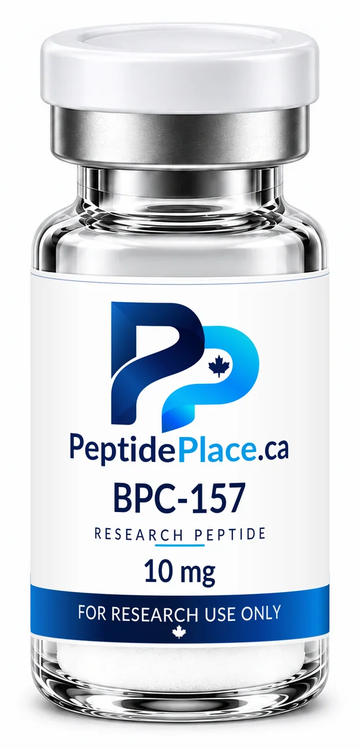
Tendon and ligament recovery, tissue repair and gut research, explained simply.
10 mg
In stock
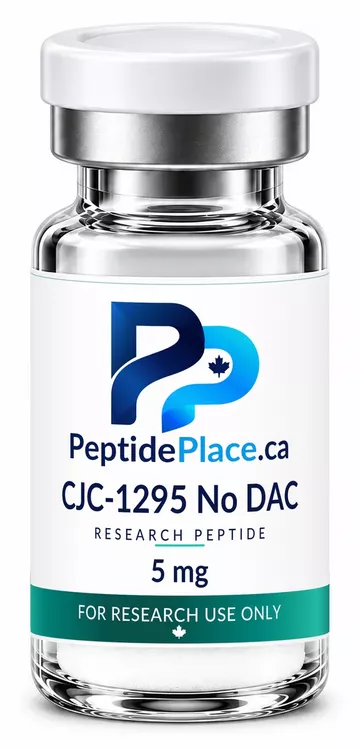
Growth hormone research. Learn what No DAC means and why the exact form matters.
In stock
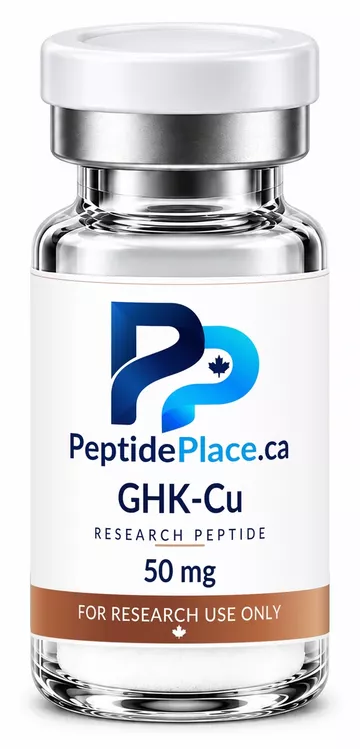
GHK-Cu, BPC-157 and TB-500 in one blend for skin, collagen and tissue research.
70 mg
In stock
Growth hormone release research, with a clear explanation of the signalling pathway.
In stock
A three-amino-acid peptide studied in gut tissue and inflammatory-signalling research.
10 mg
In stock
Mitochondrial peptide research on cellular energy and metabolic regulation.
In stock
An investigational peptide studied for weight loss and blood sugar control.
In stock
Tissue repair and recovery research. Compare it with BPC-157 and thymosin beta-4.
In stock
Growth hormone and abdominal-fat research, with the study population explained.
In stock
Studied for weight management and blood sugar through GIP and GLP-1 hormone signals.
In stock
BPC-157 and TB-500 together in one blend for tissue-repair and recovery research.
In stock
Start with a familiar topic. Explore the compounds, common research interests and where to learn more.
Tendon, ligament, tissue repair and recovery research.

Collagen, skin and copper peptide research.

Weight loss, blood sugar and energy research.

Growth hormone release and signalling research.

Gut tissue and inflammatory signals.

See what is in GLOW, KLOW and Wolverine.
Recovery research
BPC-157 and TB-500 often come up together when people read about tendon and ligament recovery or tissue repair. That shared interest is a starting point for a comparison. Each listing has its own material identity and research background.
BPC-157 also appears in gut-tissue research, so its product page explains those studies separately. TB-500 is discussed alongside thymosin beta-4. Its page explains why the exact sequence matters when comparing a product with a paper.
For a two-ingredient listing, Wolverine contains BPC-157 and TB-500. Check its ingredient breakdown and available sizes before comparing it with either compound individually. Research on one ingredient gives you background for that ingredient. A study of the specific blend answers a separate question.
Read BPC-157 vs TB-500Skin and copper peptides
GHK-Cu is the copper peptide many visitors have heard about through skincare. It is studied in relation to collagen production, skin repair and questions about fine lines and firmness. If those are the topics that brought you here, start with GHK-Cu. Its product page explains the findings in plain language and links to the studies.
Skin and hair are different research questions. A collagen result in skin cells answers a different question from a study measuring hair growth. The GHK-Cu page gives each topic its own explanation so you can see what the evidence actually covers.
GHK-Cu is also listed in GLOW and KLOW. Compare the full ingredient list and the amount of each component when choosing which product page to explore.
Explore Skin & Hair researchGrowth hormone research
Tesamorelin, Ipamorelin and CJC-1295 No DAC appear in discussions about growth hormone release. The main question is how each compound interacts with the signals involved, and what researchers have measured after that interaction.
Tesamorelin is a growth hormone-releasing hormone analogue. Its clinical research includes abdominal-fat measurements in specific populations. Ipamorelin is called a secretagogue, a term for a substance that stimulates something to be released. Here, the discussion concerns growth hormone.
For CJC-1295 No DAC, start with the No DAC distinction. Exact names and forms matter when matching a research listing to a study. Each product page puts that explanation alongside the specifications and relevant references.
Browse Growth Hormone researchA blend puts several named components in one vial. The quickest way to compare these three is to read the ingredient list first.
| Blend | Listed ingredients | Useful first comparison |
|---|---|---|
| Wolverine | BPC-157 and TB-500 | Two-component blend versus the individual listings. |
| GLOW | GHK-Cu, BPC-157 and TB-500 | Includes GHK-Cu alongside the two ingredients in Wolverine. |
| KLOW | GHK-Cu, BPC-157, TB-500 and KPV | Adds KPV to the three ingredients listed in GLOW. |
Read the amount of each ingredient as well as the total vial amount. A larger total tells you the amount of the blend as a whole. It takes the component breakdown to make a useful like-for-like material comparison. Follow the product page for available sizes, specifications and the research behind each ingredient.
Explore all peptide blendsGut research
KPV and BPC-157 both appear in gut-related discussions. Their product pages help you separate the questions researchers have asked about them. KPV stands for the three amino acids lysine, proline and valine. Research includes intestinal cells, peptide transport and inflammatory signals. BPC-157 has a separate body of gut-tissue research.
Start with the question that interests you, then read the study type and the measurement. Our comparison brings the two research backgrounds together, with links for further reading.
Read BPC-157 vs KPVConfirm the compound or blend, the available size and current stock. Milligrams describe the listed material amount. A blend also needs an ingredient breakdown.
Understand product specificationsA certificate of analysis describes a sample tested by a lab. Read which compound and lot it covers, the methods used and what was measured.
How to read a peptide COAUse available product documentation and the Lab Results page. If you have a vial, include its lot number when asking our team a question.
Browse Lab ResultsIdentity, purity and content answer different questions. Identity concerns which material is present. Analytical purity is the result of the stated method. Measured content concerns how much of the defined material was found. Read purity versus content when you want the full explanation.
For study information, the Research Library collects compound guides and supporting articles. Follow the original source when you need the methods or results behind a summary.
More value. Every order.
First-order savings. Automatic multi-vial offers. Rewards for next time.
Mix eligible vials. Save automatically.
Free tracked shipping from $199 after discounts, before tax. $18.99 below $199.
Shipping detailsReview the offer terms for eligibility and how promotions work together.
Choose your product, pay by Interac e-Transfer and follow your tracked Canada Post delivery.
Step 1
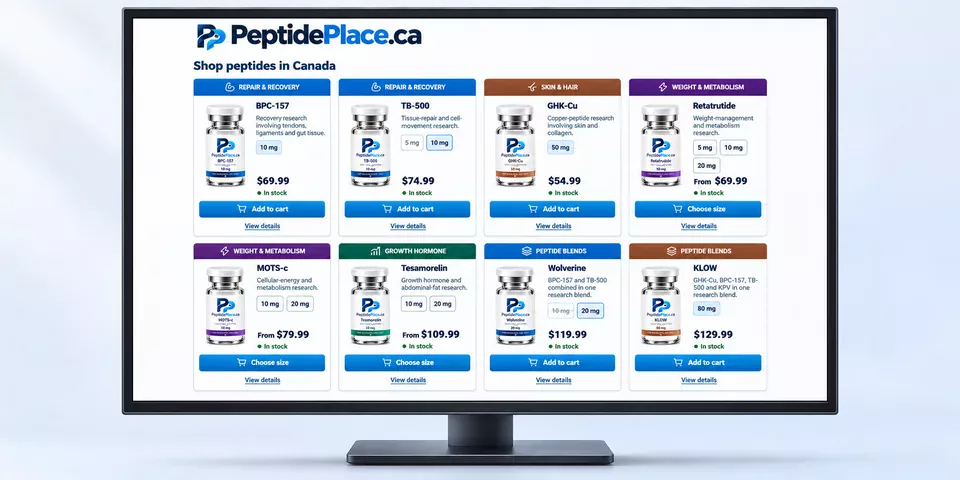
Open the product page, check the available size and add your selection to the cart.
Browse peptidesStep 2
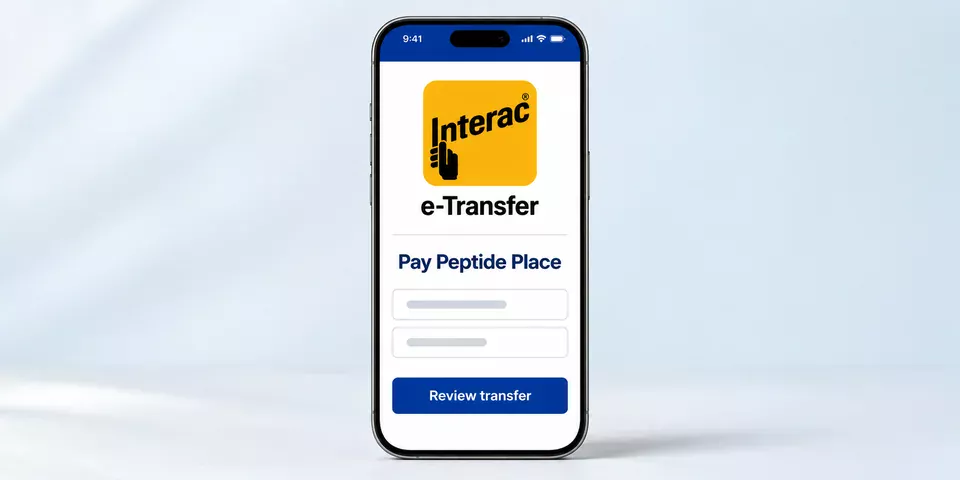
Follow the instructions in your order email and include your order number so we can match the payment.
Payment and shippingStep 3
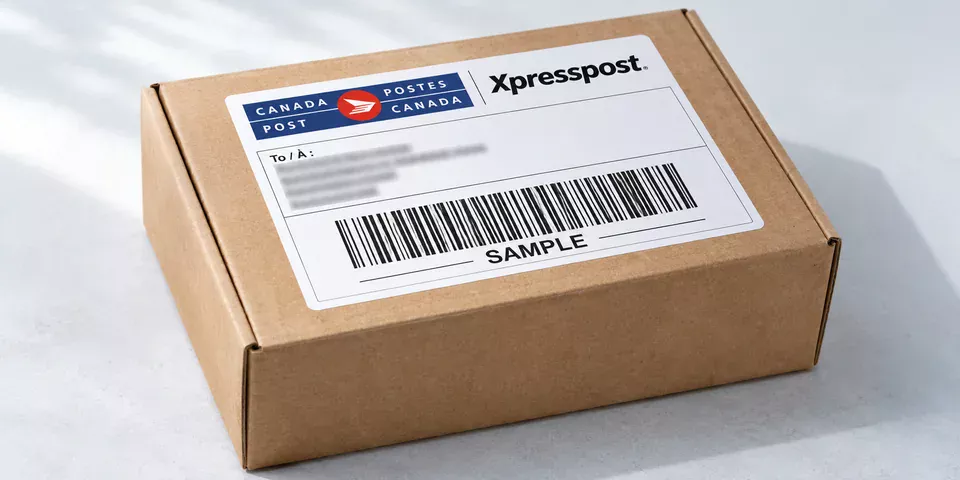
Once your parcel ships, use your Canada Post tracking link to follow it.
Delivery informationYou can browse Peptide Place’s Canadian catalogue here, then open a product page for the available sizes, price and stock. Orders are fulfilled from Canada. If you are still comparing suppliers, look at their product information, testing documentation, shipping terms and support. Our supplier comparison guide explains those checks.
Start with the name or research interest you recognize. BPC-157 and TB-500 often come up in recovery discussions, GHK-Cu in collagen and skin research, and Retatrutide in weight-management research. The category links above help you find the relevant explanations. A common topic is a way to navigate the research.
A single-compound listing names one material. A blend lists several components together. Compare the identity and amount of each ingredient. The total amount on a blend vial needs that ingredient breakdown to give you a useful material comparison.
Yes. GLOW lists GHK-Cu, BPC-157 and TB-500. KLOW adds KPV. Wolverine lists BPC-157 and TB-500. Open the product page for its current size options, stock and documented specifications.
Go to Lab Results or the product’s Specs & Batch section. Match any report with the product and lot it describes. For a question about a specific size or vial, contact our team with the name, size and lot number if you have it.
Yes, eligible vials can be mixed across products and sizes. Three or more save 5%, five or more save 10%, and ten or more save 15%. A blend vial counts as one vial. Check the current savings rules for exclusions and how the offer works with a coupon.
Join the Peptide Place Insider email list for your welcome code. Follow the offer terms when applying it at checkout. The welcome offer, automatic vial savings and Peptide Points each have their own eligibility rules.
Earn 5% back in points on eligible purchases for a future order. Your points balance and available rewards depend on the loyalty programme’s rules. Read how Peptide Points work before redeeming.
Tracked Canada Post Xpresspost is $18.99 below $199. Shipping is free from $199 after discounts and before tax. Review your checkout total and shipping details for the order you are placing.
Place your order and follow the payment instructions in the order email. Include your order number so we can match your payment. If you need help with an existing order, send our team the order number.
Use the availability shown on the product page. A compound can still appear in the Research Library or a comparison while its listing is unavailable. Research information and current stock answer different questions.
These products are supplied for laboratory research. The pages explain compounds, specifications and published evidence. For health questions or personal treatment decisions, speak with a qualified healthcare professional.
Yes. Contact Peptide Place with the product name and what you would like to know. For documentation questions, include the size and lot number where available. For an existing order, include your order number.
Help with product information, documentation or an existing order.
Contact Peptide Place