 Canadian fulfilment · Free shipping $199+

Peptide Blends: GLOW, KLOW & Wolverine
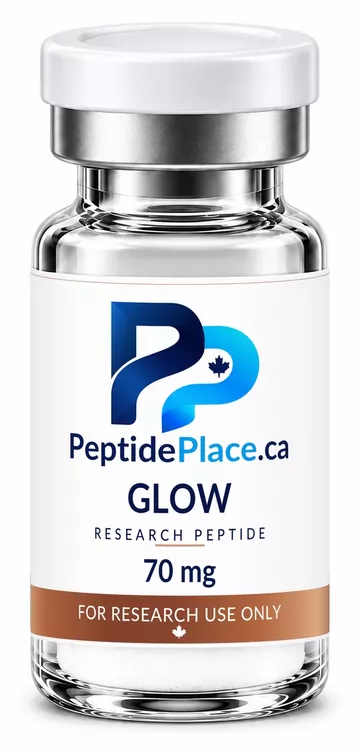
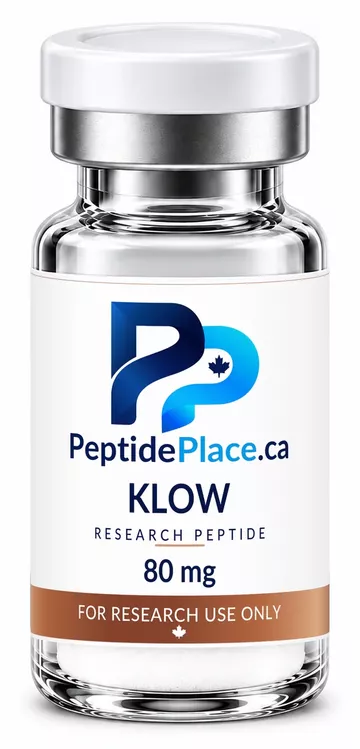
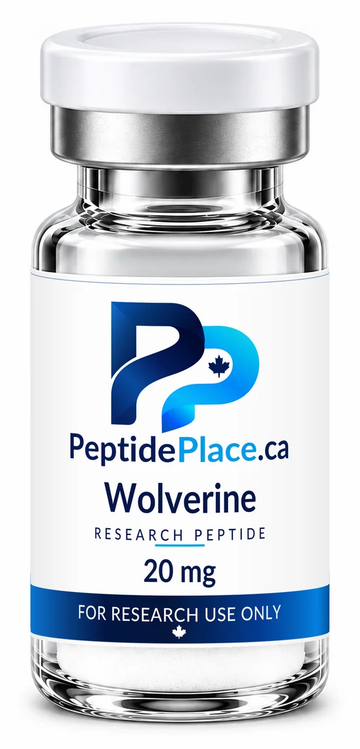
Compare the listed ingredients in GLOW, KLOW and Wolverine. Use the ingredient matrix first, then check the documented component amounts for the selected vial.
Compare the listings3 products
Compare GLOW, KLOW and Wolverine
Blend names can be useful shorthand, but the ingredient list is the clearer starting point. In the current Peptide Place catalogue, GLOW lists GHK-Cu, BPC-157 and TB-500. KLOW lists those ingredients alongside KPV. Wolverine lists BPC-157 and TB-500. These are different combinations, even when some of their research topics overlap.
A name used elsewhere should not be assumed to identify the same formulation. Check the actual listing, material specification and documented component quantities for the product being compared. The information in the source record should take precedence over a convenient abbreviation or a ratio inferred from the name.
Use the table to see which ingredients are listed. Open the product page for the current total amount, options and batch-report availability. Composition information should remain visible in educational comparisons even if a product is temporarily unavailable.
| Listed ingredient | GLOW | KLOW | Wolverine |
|---|---|---|---|
| BPC-157 | Listed | Listed | Listed |
| TB-500 | Listed | Listed | Listed |
| GHK-Cu | Listed | Listed | Not listed |
| KPV | Not listed | Listed | Not listed |
| Component quantities | Check current specification | Check current specification | Check current specification |
| Ingredient | GLOW | KLOW | Wolverine |
|---|---|---|---|
| BPC-157 | Listed | Listed | Listed |
| TB-500 | Listed | Listed | Listed |
| GHK-Cu | Listed | Listed | — |
| KPV | — | Listed | — |
The matrix shows listed ingredients. Check each product’s documentation for quantities, supplied form and lot-specific results.
How to read a blend total and component amounts
The number on a blend vial describes the stated combined amount. It does not identify the amount of each component unless those quantities are separately documented. An equal split should not be assumed. Nor should a total blend amount be compared as though it were entirely one ingredient.
This matters when comparing a blend with a single-compound listing. A GHK-Cu vial and a KLOW vial have different compositions, so a simple comparison of their total milligrams does not establish equal GHK-Cu quantities. The same reasoning applies when comparing Wolverine with a BPC-157 listing.
Keep the amount interpretation next to the ingredient table rather than burying it in a footnote. It is one of the most useful distinctions a reader can make before comparing the package price.
What ingredient studies can tell you about a blend
A source paper about one ingredient can explain part of the research background. It does not automatically establish how a mixture of several ingredients behaves. Even a well-described ingredient study needs to be distinguished from a study using the exact blend composition and material form.
When reading a comparison, identify whether the source concerns BPC-157, GHK-Cu, KPV, a related thymosin material or the exact combination. Leave that distinction visible. Avoid describing several separate ingredient studies as though they were a single study of GLOW, KLOW or Wolverine.
Choose the comparison that answers your question
GLOW vs KLOW is useful when you want to see what changes in the listed ingredient set. KLOW vs Wolverine compares a four-component listing with a two-component listing. A single-compound comparison helps when you want to understand how one ingredient differs from a mixture that contains it.
These comparisons should separate reference facts, current sizes and prices, stock, supplied specifications and lot records. A missing purchase option should change the commerce controls rather than erase the educational compound column. This keeps the page useful as the catalogue changes.
What a blend's documentation should clarify
Begin with the exact blend name, listed ingredients, nominal total amount and component quantities where documented. Check whether the source analysis relates to the combined material, a particular ingredient or another sample. A general certificate for an ingredient should not silently stand in for a report about the finished blend.
The method and the tested sample determine what a report can establish. Where a field has not been confirmed, keep it unconfirmed. For the supplied vial, match the product, size and lot before interpreting the result.
Single compounds, premixed blends and separate-vial bundles
A single-compound listing identifies one intended material. A premixed blend lists several components in one preparation; a bundle supplies separate products. Check each documented ingredient amount rather than dividing a total blend mass into assumed shares.
These collections organise research interests; they are not personal treatment recommendations or promises of an outcome. Peptide Blends is a product format.
A closer look at peptide blends research
A blend needs an ingredient-level comparison
A peptide blend combines more than one named material. That makes the ingredient list the first useful comparison, followed by the quantity and identity of each component. Wolverine combines BPC-157 and TB-500. KLOW includes those names plus GHK-Cu and KPV. More ingredients can make a comparison more complicated without establishing a better result. Look at which materials overlap, which are added and what the documentation actually confirms about their proportions.
Total milligrams and ingredient milligrams
A total amount on a blend listing describes the combined nominal quantity. It does not tell you the amount of every ingredient. For example, a four-component total cannot be divided equally unless a specification explicitly confirms that composition. Price per total milligram can describe the listed blend price, but cannot establish the cost of each ingredient or make different mixtures equivalent. If individual amounts are missing, retain that uncertainty in the comparison rather than inventing a breakdown.
Evidence for an ingredient is different from evidence for a mixture
A study of BPC-157, KPV or GHK-Cu examines the material and conditions reported in that paper. It does not establish interactions, compatibility or outcomes for every mixture containing that ingredient. Research on full-length thymosin beta-4 also requires an identity check before being attributed to a TB-500-labelled component. This is why our blend comparisons begin with composition and separate the source evidence by ingredient. They also link back to single-compound listings when those materials are offered, so you can compare the actual catalogue options.
A practical reading order is to identify the compound, compare a related listing, then read the underlying study and the product documentation. The Research Library explains the terminology. Use the COA checklist to distinguish sample identity, analytical purity and measured content. The evidence-reading guide explains how to keep a laboratory observation separate from a result measured in people.
Peptide Blends questions
Does a larger total blend amount identify more of every ingredient?
No. Compare documented component quantities. A combined total does not establish how that total is divided.
Can I assume that each component has an equal share?
No. Use a documented formulation rather than inferring a ratio.
Does research on the ingredients prove the finished blend?
No. Ingredient-specific background and evidence on the exact mixture are different things. Identify which material the source actually studied.
Is a blend with a similar name from another supplier necessarily identical?
No. Compare the actual composition, form and specification for each listing.
Does a blend vial count as one vial for the quantity offer?
Under the currently published multi-vial offer, one eligible blend vial counts as one vial. Check the offer page for current tiers, exclusions and coupon rules.
Does a listing in the matrix tell me how much of that ingredient is in the vial?
The matrix identifies listed ingredients. Use the selected product’s documented breakdown and matching batch information to check quantities.
Follow the research
Sources and study context
COMPOSITION SOURCES: Current Peptide Place GLOW, KLOW and Wolverine listings and comparison tables, reviewed 4 November 2026. These are supplier composition statements, not independent verification of component quantities or biological effects.
PRIMARY SCIENCE BACKGROUND, INGREDIENTS ONLY: Chang et al., PMID 21030672, Read the original study; Maquart et al., PMID 3169264, Read the original study; Dalmasso et al., PMID 18061177, Read the original study. Do not label these as studies of the exact blends.